

Muscle Building Diet Tips: What to Eat for Optimal Muscle Gain?

Building muscle requires more than just lifting weights. Nutrition plays a crucial role in muscle growth and recovery. Knowing what to eat and when can make a significant difference in your progress. In this post, I share practical muscle building diet tips to help you fuel your workouts and maximize muscle gain.
Understanding Muscle Building Diet Tips
Muscle growth happens when your body repairs tiny tears in muscle fibers caused by resistance training. To support this process, your diet must provide enough calories and the right nutrients. Here are some key points to keep in mind:
Caloric Surplus: You need to consume more calories than you burn to gain muscle. This surplus provides energy for muscle repair and growth.
Protein Intake: Protein is essential for muscle repair. Aim for about 1.6 to 2.2 grams of protein per kilogram of body weight daily.
Carbohydrates: Carbs replenish glycogen stores in muscles, providing energy for workouts and recovery.
Healthy Fats: Fats support hormone production, including testosterone, which is important for muscle growth.
Hydration: Staying hydrated helps maintain performance and supports metabolic processes.
Balancing these elements is key. Overeating unhealthy foods can lead to fat gain, while under-eating slows muscle growth.
Timing Your Meals for Muscle Growth
When you eat can be as important as what you eat. Proper meal timing helps optimize muscle protein synthesis and energy levels.
Pre-Workout Meal: Eat a balanced meal with protein and carbs 1-2 hours before training. This fuels your workout and reduces muscle breakdown.
Post-Workout Nutrition: Consume protein and carbs within 30-60 minutes after exercise. This window helps replenish glycogen and kickstarts muscle repair.
Frequent Meals: Eating every 3-4 hours keeps your body supplied with nutrients and supports steady muscle growth.
For example, a pre-workout meal could be grilled chicken with brown rice and vegetables. Post-workout, a protein shake with a banana works well.

Which Food Is Best for Muscle Gain?
Choosing the right foods is essential for effective muscle building. Focus on nutrient-dense options that provide quality protein, complex carbs, and healthy fats.
Protein Sources
Lean meats: Chicken breast, turkey, lean beef
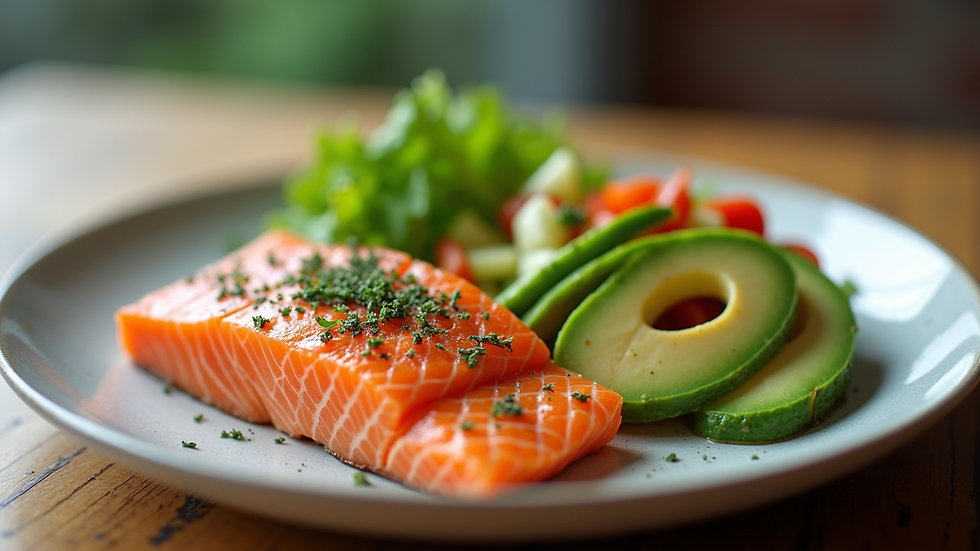
Fish: Salmon, tuna, mackerel (also rich in omega-3 fats)
Eggs: Whole eggs and egg whites
Dairy: Greek yogurt, cottage cheese, milk
Plant-based: Lentils, chickpeas, tofu, tempeh, quinoa
Carbohydrate Sources
Whole grains: Brown rice, oats, quinoa, whole wheat bread
Starchy vegetables: Sweet potatoes, pumpkin, corn
Fruits: Bananas, berries, apples
Legumes: Beans, lentils
Healthy Fats
Nuts and seeds: Almonds, walnuts, chia seeds
Oils: Olive oil, avocado oil
Avocado
Fatty fish: Salmon, sardines
Including a variety of these foods ensures you get a broad spectrum of nutrients to support muscle growth and overall health.
Supplements to Consider
While whole foods should be your primary source of nutrition, some supplements can support muscle building:
Whey Protein: Convenient source of high-quality protein, especially post-workout.
Creatine Monohydrate: Supports strength and muscle mass gains.
Branched-Chain Amino Acids (BCAAs): May reduce muscle soreness and improve recovery.
Multivitamins: Ensure you meet daily micronutrient needs.
Supplements are not magic but can help fill nutritional gaps and enhance your training results.
Practical Tips for Meal Planning and Preparation
Consistency is key in any muscle building diet. Here are some tips to make it easier:
Plan Your Meals: Prepare a weekly menu focusing on balanced meals with protein, carbs, and fats.
Batch Cook: Cook large portions of staples like chicken, rice, and vegetables to save time.
Use Portion Control: Measure your food to ensure you meet your calorie and macronutrient targets.
Stay Hydrated: Drink water throughout the day, aiming for at least 2-3 litres.
Track Your Progress: Adjust your diet based on muscle gain and body composition changes.
By following these steps, you can maintain a muscle building diet without stress or guesswork.
Final Thoughts on Muscle Building Nutrition
Achieving muscle gain requires a well-structured diet that supports your training efforts. Focus on whole, nutrient-dense foods, eat enough calories, and time your meals around workouts. Remember, knowing what to eat for muscle gain is just one part of the equation. Consistency, training, and recovery are equally important.
With the right approach, you can build muscle effectively while improving your overall health and fitness. Start applying these muscle building diet tips today and watch your strength and physique improve.


Comments